
Introduction
Looking up quick answers about smartphones, apps, or online safety often leads readers to small, easy-to-read tech blogs instead of huge news sites. One name that keeps showing up in these searches is teckjb com. It is a general technology blog that explains gadgets, apps, and digital trends in plain language, without heavy jargon or long technical essays.
This article looks at what the site covers, how it is organized, how safe it is to browse, and who actually benefits from using it. By the end, you will know whether this kind of tech blog fits your needs and how to use it as one part of a smarter research routine, with simple tables, common questions, and practical tips based on how small tech blogs typically work in 2026.
What Is Teckjb Com? A Quick Introduction
At its core, this website is an informational blog focused on everyday technology topics. It does not sell software, and it does not offer a downloadable app of its own. Instead, it publishes articles that try to make confusing tech topics feel simple.
Typical posts cover things like setting up a new phone, understanding Wi-Fi basics, spotting scam messages, or picking a budget laptop. The tone is casual and direct, aimed at people who just want a fast, clear answer rather than a deep technical breakdown.
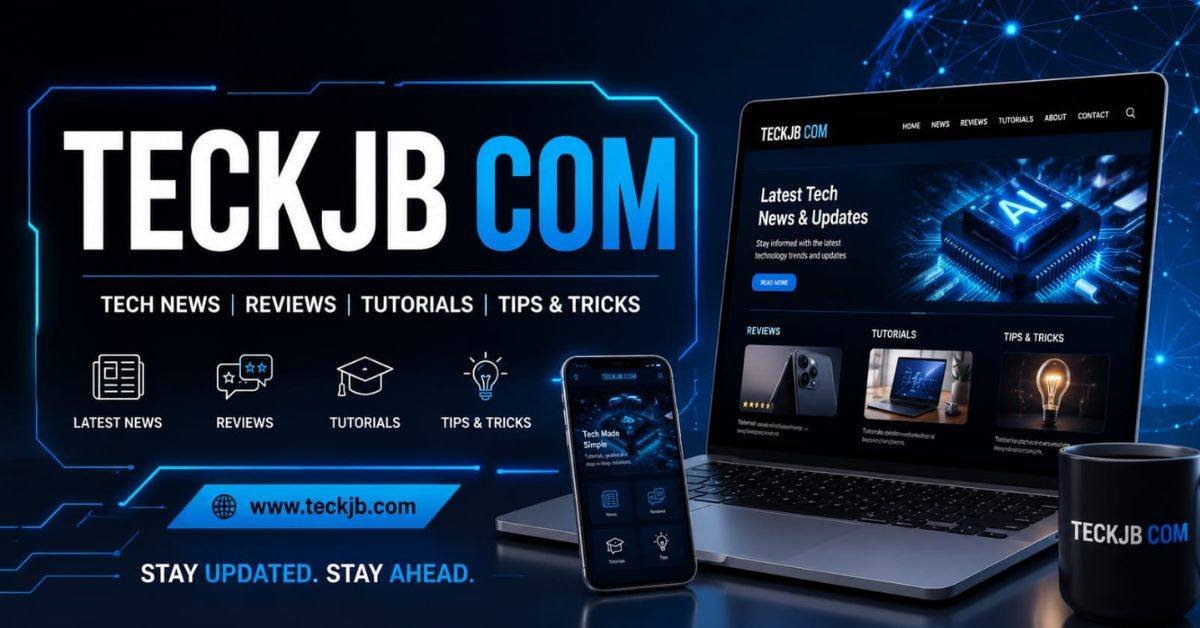
Like many independent blogs in this space, the site is run with a small team, and articles are published frequently to stay current with new phone launches, app updates, and trending search questions. The layout is simple: a homepage with recent posts, category pages for topics like apps or gadgets, and individual articles that walk through one topic at a time.
For a first-time visitor, the best way to think about it is as a quick-reference guide rather than a research journal. It is built for speed and simplicity, not for deep technical analysis or expert-level comparisons. That focus on simplicity is actually its biggest strength, especially for readers who feel overwhelmed by overly technical tech writing elsewhere.
Why Simple Tech Explanations Matter in 2026
Technology changes fast, and most people do not have time to read long manuals or research papers just to understand a new app or setting. This is exactly why simplified tech content has become so popular.
In 2026, smartphones, smart home devices, and AI tools are part of daily life for people of almost every age. A parent trying to set up parental controls, a student learning to use cloud storage, or a small business owner picking a laptop all want the same thing: a clear answer, quickly.
This demand has pushed many blogs, including smaller ones, to focus on short, practical guides instead of long theoretical articles. Readers do not always need to know how a processor is built; they need to know which laptop is good enough for their budget, and how to keep their accounts safe.
Simplified tech writing also helps close the digital literacy gap. Not everyone studied computer science, and plenty of people learned to use smartphones and apps entirely on their own. Clear, jargon-free explanations make technology less intimidating and more usable for everyone, from teenagers to retirees.
This is the gap that smaller, beginner-friendly tech blogs, including teckjb com, try to fill. They are not trying to replace major tech publications; they are trying to serve readers who want a faster, simpler starting point before deciding if they need to research further.
Explore TeckJB com for tech insights, reviews, and trends featured in the PC category from MeltingTopGames.
Main Content Categories You Will Find
Most posts on this kind of site fall into a few clear categories, and understanding them helps you know what to expect before you click.
Gadget and device guides cover smartphones, laptops, earbuds, and smartwatches. These usually explain features in plain terms, such as battery life, screen quality, and everyday usability, rather than deep hardware benchmarks.
Buying guides are often titled things like “best laptops under a certain budget” or “best smartwatch for beginners.” These save readers time by narrowing down dozens of options into a short, practical shortlist.
How-to and troubleshooting articles walk through common problems step by step, such as fixing a slow phone, setting up cloud backup, or connecting a new device to Wi-Fi.
Safety and privacy topics explain things like phishing emails, password habits, and app permissions in a non-technical way, which is especially useful for readers who are not confident about cybersecurity basics.
Trend explainers cover bigger ideas such as artificial intelligence, 5G networks, or new app features, broken down into short, digestible sections instead of long technical papers.
This mix of categories is fairly typical for smaller tech blogs, and it matches what most casual readers actually search for on teckjb com. The content is not designed for engineers or IT professionals; it is designed for everyday users who want confidence, not complexity, when making tech decisions. If you also want a quick primer on picking hardware, our smartphone and laptop buying guide covers the basics in the same simple style.
Writing Style and Readability
One of the more noticeable traits of this type of blog is its writing style. Sentences tend to be short. Paragraphs are brief. Technical terms are either avoided or explained the moment they appear.
This style works well for mobile readers, since most visitors browse tech blogs on their phones during short breaks rather than sitting at a desktop. Short paragraphs and clear headings make it easy to skim an article and find the one piece of information you actually need.
However, this same simplicity can sometimes limit depth. Readers looking for detailed technical comparisons, in-depth performance benchmarks, or advanced troubleshooting may find the content a bit surface-level. That is a common trade-off for beginner-focused blogs: clarity often comes at the cost of technical depth.
For most casual readers, though, this trade-off is worth it. A reader trying to decide between two budget phones usually wants a fast, understandable answer, not a twenty-page technical review. The writing style here is built around that exact expectation, and it succeeds at delivering approachable, readable tech content.
If you are a student, a parent, or someone who simply wants practical answers without wading through jargon, this kind of writing style will likely feel comfortable and easy to follow. If you are a professional developer or IT specialist, you may need to pair it with more advanced sources for deeper technical detail.
Safety and Trust: Is It Secure to Visit?
Before visiting any tech website, it is reasonable to ask whether it is safe to browse. Based on general site behavior common to small tech blogs like this one, a few basic trust signals are worth checking.
The site typically uses HTTPS encryption, which means the connection between your browser and the website is secured. This does not guarantee the content is perfect, but it does confirm your browsing session itself is protected from basic interception.
Readers should also watch for excessive pop-ups, forced redirects, or aggressive ads, since these are common warning signs on lower-quality content sites. A clean layout without intrusive ads is generally a positive sign.
It is also worth noting that unofficial APK files or mobile apps sometimes appear online using a blog’s name without being connected to the actual website. If you ever see an app claiming to be linked to a small tech blog, it is safer to verify this directly on the official site rather than downloading from a random third-party source.
For sensitive actions like installing software, entering payment details, or granting app permissions, always double-check instructions against trusted sources such as your device manufacturer’s official support page or a recognized government cybersecurity resource, like the Cybersecurity and Infrastructure Security Agency, before proceeding.
Strengths and Weak Points of the Platform
No content site is perfect, and being upfront about both strengths and limitations is part of giving readers a genuinely useful overview.
Strengths typically include easy-to-read explanations, frequent publishing that keeps up with current tech trends, a simple website layout, and a clear focus on practical, everyday topics rather than clickbait speculation.
Limitations often include less transparency around who exactly writes or reviews the content, limited social media presence, and articles that may occasionally read as generic rather than deeply original. Smaller blogs also tend to have a smaller staff, which can affect how quickly older articles get updated when technology changes.
Another common limitation is depth. As mentioned earlier, this type of writing generally favors clarity over technical detail, so advanced users may need supplementary sources for deep specifications or professional-grade comparisons.
None of these limitations suggest that teckjb com is unsafe or deliberately misleading. They simply reflect the reality of small, independent tech blogs: useful as a starting point, but not always enough on their own for high-stakes decisions like expensive purchases or security-sensitive settings.
A balanced approach is to treat this kind of resource as your first stop for a simple explanation, then confirm important details using official manufacturer pages or trusted consumer resources when the decision really matters.
Who Benefits Most from This Kind of Website
Not every tech resource fits every reader, so it helps to know who gets the most value from a beginner-friendly blog like this.
Students researching a topic for a school project often benefit from short, clear explanations that avoid overwhelming technical language. Parents setting up devices for their children, or trying to understand parental control apps, also tend to appreciate simplified step-by-step guidance.
Small business owners and freelancers who need a reliable laptop or basic cybersecurity habits, but do not have time to research deeply, are another strong match. Older adults who are newer to smartphones and apps often find simplified tech writing far less intimidating than technical manuals written for specialists.
On the other hand, IT professionals, software developers, and advanced hobbyists usually need more technical depth, detailed benchmarks, or specification-level comparisons than a beginner-focused blog typically provides. If your household is setting up parental controls for the first time, our guide to parental control apps walks through the basics step by step.
If your goal is a quick, understandable answer to a common tech question, this type of site can genuinely save time. If your goal is deep technical research, it is better used as a starting point alongside more specialized or official resources rather than your only reference.
Quick Facts at a Glance
Sometimes a simple table communicates more than several paragraphs of text. Here is a snapshot of how this kind of blog typically compares across a few key factors, along with a general reader-fit table to help you decide if it matches your needs.
| Factor | What to Expect |
| Content focus | Everyday tech: phones, laptops, apps, safety tips |
| Writing style | Short sentences, simple words, beginner-friendly |
| Technical depth | Light to moderate, not expert-level |
| Update frequency | Regular new posts on trending topics |
| Safety signals | HTTPS encryption, no forced pop-ups reported |
| Best used as | A starting point, not a sole reference |
| Reader Type | Good Fit? | Why |
| Students | Yes | Simple explanations, quick answers |
| Parents | Yes | Easy setup guides, safety tips |
| Small business owners | Mostly | Practical buying guides, limited depth |
| IT professionals | Not ideal | Lacks advanced technical detail |
| Casual smartphone users | Yes | Matches everyday, non-technical needs |
Tables like these are useful because they let readers scan the key points quickly, which fits how most people actually use mobile-friendly tech blogs in 2026: in short bursts, not long sitting sessions.
Tips to Get the Most Value from Any Tech Blog
Whether you are reading this platform or any similar beginner-focused tech site, a few habits will help you get more accurate, more useful results.
First, always cross-check important facts, especially prices, specifications, or security instructions, with an official source, such as the manufacturer’s website or a recognized consumer protection page like the Federal Trade Commission’s consumer advice section. This is especially important before making a purchase or changing security settings.
Second, treat “best of” or buying-guide articles as a helpful shortlist, not a final decision. Prices and stock change often, so double-check current pricing and availability directly with retailers.
Third, if an article explains a cybersecurity or privacy topic, use it to understand the basic idea, then verify specific steps using your device’s official settings or support documentation. Our guide to spotting phishing scams can help you go deeper into safe browsing habits if you want extra detail.
Fourth, be cautious of unofficial apps or files claiming to be linked to a blog’s brand name, and stick to the official website instead of unfamiliar download sources.
Finally, treat simplified tech blogs as one part of a broader research habit, alongside official manufacturer resources and, when needed, professional advice for bigger decisions.
What the Future Might Hold
Independent tech blogs are unlikely to disappear anytime soon, even as AI tools and search engines change how people find information. If anything, the demand for short, simple, human-sounding explanations may grow, since many readers still prefer a quick, plain-language answer over a long technical document.
Going forward, sites in this category will likely need to focus more on transparency, such as clearer author information and editorial standards, to build stronger trust with readers and search engines alike. Readers increasingly value knowing who wrote an article and how it was verified, not just what the article says. Academic research on digital and media literacy, such as work published through university media-literacy programs like Stanford’s History Education Group, consistently shows that readers benefit from checking a source’s authorship and verification process before trusting its claims.
Expect continued growth in beginner-friendly explainers around artificial intelligence, digital privacy, and everyday troubleshooting. Blogs that keep their content updated as software changes will naturally build more lasting credibility than those that publish once and never revisit older posts.
For a smaller platform, staying useful will likely depend on consistency: publishing regularly, keeping information accurate, and being honest about what it does and does not cover in depth. That approach tends to keep readers coming back more than flashy design or aggressive marketing ever could.
Frequently Asked Questions (FAQs)
Is teckjb com free to use?
Yes, it functions as a standard content blog, and reading articles does not require any payment or subscription.
Does it have an official mobile app?
No official app has been confirmed by the site itself, so any APK claiming to be linked to it should be treated with caution.
Is the website safe to browse?
General trust signals like HTTPS encryption and a clean layout suggest it is reasonably safe, though readers should still avoid unofficial download links.
Is the content good enough for advanced tech users?
Not usually; the writing style favors simplicity, so professionals may need more technical or specialized sources.
Can I trust its buying guides completely?
Use them as a helpful starting shortlist, then confirm current prices and specifications directly with retailers or manufacturers before buying.
Conclusion
Teckjb com fits into a growing category of small, beginner-friendly tech blogs that prioritize simple, readable explanations over deep technical detail. For students, parents, casual smartphone users, and small business owners, this kind of site can genuinely save time by turning confusing tech questions into short, clear answers.
At the same time, it is smart to treat any single blog, including this one, as a helpful starting point rather than your only source, especially for security decisions or expensive purchases. Cross-checking important details with official manufacturer pages or recognized consumer resources remains a good habit no matter how simple or trustworthy a site appears.
If you found this breakdown useful, bookmark it for the next time you are comparing tech resources, and share it with someone who could use a simpler way to understand their next gadget or app decision. Staying informed does not have to mean reading long, complicated articles; it just means knowing where to look and how to double-check what you read.