
Introduction
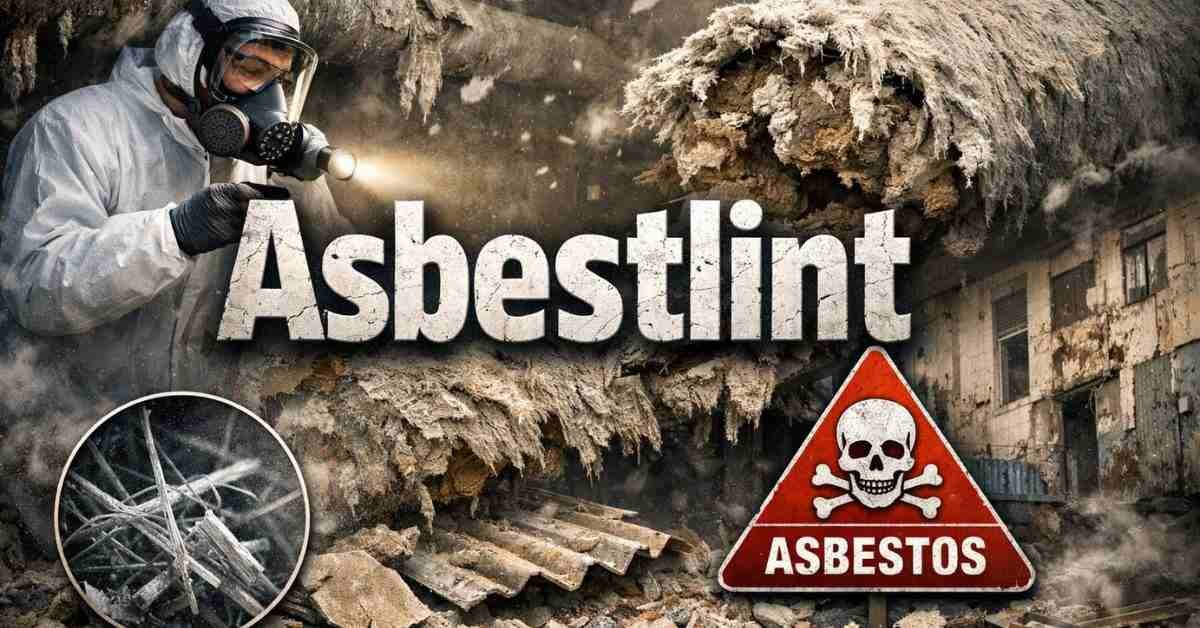
Many older homes still hide dangerous materials inside walls, ceilings, pipes, and floors. One of the most overlooked hazards is asbestlint. It may look harmless, but when disturbed, it can release tiny fibers into the air. These fibers are invisible and can cause serious health problems if breathed in over time.
If your home was built before the 1990s, there is a chance it may contain materials made with asbestos. In the past, asbestos was widely used because it was strong, heat-resistant, and cheap. Today, we know it can be harmful.
This guide will help you understand what asbestlint is, where it may be found, how it affects health, and what to do if you suspect it in your home. The goal is simple: to keep you and your family safe with clear, easy-to-understand advice. Whether you are a homeowner, renter, or planning a renovation, this article will give you practical steps based on expert guidelines and updated 2026 safety standards.
What Is Asbestlint?
Asbestlint refers to fine asbestos fibers that collect like dust or lint in areas where asbestos materials break down. These fibers are extremely small and light. When disturbed, they float in the air and can stay there for hours.
Asbestos itself is a natural mineral once used in:
- Insulation
- Roofing shingles
- Floor tiles
- Cement products
- Pipe wrapping
- Textured ceilings
Over time, as these materials age, they can crumble or wear out. When this happens, they release tiny fibers. These loose fibers are often described as asbestos dust or lint.
veganovies com explores topics like asbestlint, sharing insights on home safety, air quality issues, and health awareness content.
Why is this dangerous?
Because the fibers are so small, you cannot see them. You cannot smell them either. When you breathe them in, they can get trapped in your lungs. The body cannot break them down easily.
Important facts:
- Homes built before 1990 are more likely to contain asbestos materials.
- Damage, drilling, sanding, or renovations can release fibers.
- Undisturbed materials are usually less risky.
According to the U.S. Environmental Protection Agency (EPA.gov), asbestos is only dangerous when fibers become airborne and are inhaled.
Understanding this material is the first step toward protecting your home.
Why Is It a Health Risk?
Breathing in asbestos fibers can cause serious illnesses. The danger often appears years later. Some diseases linked to exposure include:
- Mesothelioma (a rare cancer)
- Lung cancer
- Asbestosis (lung scarring)
- Other breathing problems
The Centers for Disease Control and Prevention (CDC.gov) explains that symptoms may take 10 to 40 years to appear. This long delay makes prevention even more important.
How Fibers Affect the Body
- Fibers are inhaled.
- They get trapped in lung tissue.
- The body cannot remove them.
- Over time, inflammation and scarring occur.
Not everyone exposed will get sick. Risk depends on:
- Amount of exposure
- Length of exposure
- Smoking history
- Overall health
Children, older adults, and people with breathing issues may be more vulnerable.
Short-term exposure is less risky than long-term exposure, but no level is considered completely safe.
This is why experts strongly advise against disturbing old building materials without testing.
Where Can It Be Found in Homes?
You may find asbestlint in homes built before regulations limited asbestos use. Common locations include:
- Attic insulation
- Around old heating ducts
- Vinyl floor tiles
- Ceiling tiles
- Roof shingles
- Cement siding
- Behind old walls
- Pipe insulation in basements
It is not always obvious. Some materials look perfectly normal.
High-Risk Situations
- Renovating an old kitchen or bathroom
- Removing old carpet glued to vinyl tile
- Drilling into textured ceilings
- Replacing old insulation
If you are planning remodeling, read our guide on Safe Home Renovation Tips before starting.
You should never assume a material is safe just because it looks solid. Age and condition matter more than appearance.
If you are unsure, testing is the safest option.
Signs That May Suggest a Problem
There is no way to confirm asbestos just by looking at something. However, certain signs increase the chance that asbestos fibers may be present.
Look for:
- Crumbling insulation
- Damaged ceiling tiles
- Peeling pipe wrap
- Powdery dust near old materials
- Renovation debris in older homes
Remember, the presence of asbestlint does not always mean immediate danger. The risk increases when materials are disturbed.
Quick Safety Checklist
| Question | Yes | No |
| Was the home built before 1990? | ☐ | ☐ |
| Are materials cracked or damaged? | ☐ | ☐ |
| Has recent drilling or sanding occurred? | ☐ | ☐ |
| Is there visible dust near insulation? | ☐ | ☐ |
If you answered “Yes” to two or more, consider professional testing.
How Professionals Test for It
Testing should always be done by certified professionals.
Here’s how the process works:
- Inspection – A trained inspector checks suspicious areas.
- Sampling – Small material samples are collected safely.
- Lab Testing – Samples are analyzed under a microscope.
- Report – You receive a detailed result.
Do not try to collect samples yourself. Disturbing materials can release fibers.
According to OSHA.gov, certified inspectors use protective gear and controlled methods to prevent contamination.
Testing is usually affordable compared to the cost of health risks.
Safe Removal and Abatement
If testing confirms asbestos, removal may be required.
The safe removal process includes:
- Sealing off the area
- Using special air filters (HEPA)
- Wearing protective suits
- Wetting materials to reduce dust
- Safe disposal in approved landfills
Never attempt DIY removal.
Improper handling can spread fibers throughout your home.
Professional Removal Steps
| Step | What Happens |
| Containment | Area is sealed with plastic barriers |
| Air Filtration | HEPA filters clean the air |
| Removal | Material is carefully removed |
| Disposal | Waste is sealed and labeled |
| Clearance Test | Air tested before area reopens |
Licensed contractors follow strict laws for safety.
How to Prevent Exposure
Prevention is always better than removal.
Simple safety steps:
- Do not disturb old insulation.
- Avoid sanding old floor tiles.
- Seal damaged materials temporarily.
- Schedule inspections before remodeling.
- Keep children away from damaged areas.
If materials are intact and in good condition, experts may recommend leaving them undisturbed.
You can also review our guide on Indoor Air Quality Improvement for added protection.
Good ventilation and routine checks help lower risk.
Legal Rules and Regulations in 2026
Many countries have strict rules about asbestos.
In the U.S.:
- EPA regulates disposal.
- OSHA protects workers.
- Some states require disclosure during home sales.
In Europe and Australia, asbestos is fully banned, but older buildings may still contain it.
Check local government websites for updated laws.
For reliable information, visit:
- https://www.epa.gov/asbestos
- https://www.cdc.gov/niosh/topics/asbestos
- https://www.osha.gov/asbestos
These sources provide trusted, science-based guidance.
Costs Involved in Testing and Removal
Costs vary depending on size and location.
Estimated 2026 Price Guide
| Service | Average Cost (USD) |
| Inspection | $250–$600 |
| Lab Testing | $50–$150 per sample |
| Small Removal Job | $1,500–$3,000 |
| Large Removal Project | $5,000–$20,000+ |
Factors affecting price:
- Size of area
- Accessibility
- Level of contamination
- Local labor rates
While removal can be expensive, ignoring the problem can lead to higher medical and repair costs.
When Should You Take Action?
You should act immediately if:
- Materials are damaged and releasing dust.
- You are planning renovations.
- Air tests show contamination.
- Someone in the home has unexplained breathing issues.
If materials are intact and sealed, monitoring may be enough.
The key is informed decision-making.
If you suspect asbestlint in your home, do not panic. Instead, take safe and measured steps:
- Stop disturbing the area.
- Keep people away.
- Contact a certified inspector.
- Follow expert advice.
Frequently Asked Questions (FAQs)
Can I remove asbestos myself?
No. Professional removal is strongly recommended for safety.
Is asbestos dangerous if left alone?
Undisturbed materials are usually low risk.
How long do asbestos diseases take to appear?
Often 10 to 40 years after exposure.
Does homeowners insurance cover removal?
Usually not, unless damage is caused by a covered event.
Are modern homes safe?
Homes built after 2000 are unlikely to contain asbestos materials.
Conclusion
Home safety starts with awareness. Many older houses still contain materials that can become dangerous over time. Asbestlint may be invisible, but its health risks are real. The good news is that with proper knowledge, testing, and professional help, you can manage the risk safely.
If your home was built before 1990, take time to inspect vulnerable areas. Do not disturb old insulation or tiles without testing. When in doubt, contact certified professionals. The cost of prevention is small compared to the value of your family’s health.
Stay informed. Follow trusted government guidance. Schedule inspections before renovations. Protect your indoor air.
Your home should be a place of comfort and safety. Take action today to ensure it stays that way.