Introduction
Digital communication keeps changing every year. Businesses now need smarter ways to reach their audience. That’s where the concept of a PortalNewsletter becomes important. This new approach combines website portals with email updates. The result is a powerful tool for connecting with readers.
In 2025, people want personalized content. They don’t want random emails filling their inbox. A well-designed newsletter portal solves this problem. It gives readers control over what they receive. Companies also benefit from better engagement rates.
This article explains everything you need to know about this growing trend. We will cover how it works, why it matters, and how you can use it. You’ll also learn about the latest statistics and best practices. Whether you run a small blog or a big company, this guide will help you. Let’s dive into the world of modern digital newsletters and discover their true potential.
What Is a Newsletter Portal and How Does It Work?
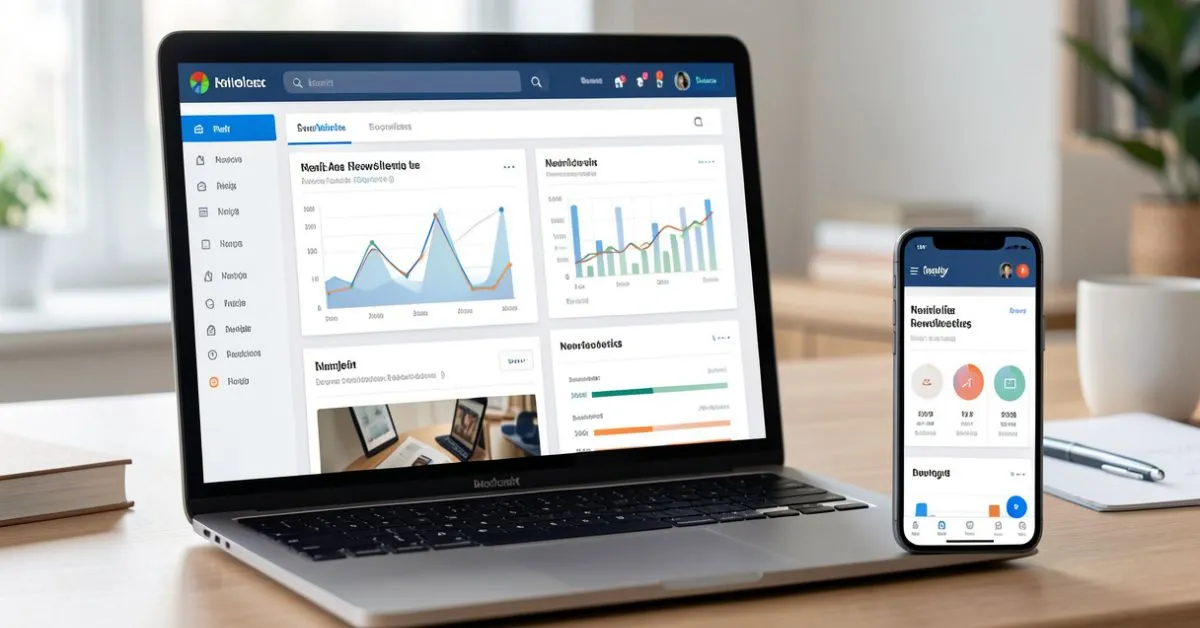
A newsletter portal is a dedicated online space for email subscriptions. It’s different from a simple signup form. Readers can visit the portal and choose what content they want. They pick topics, set frequency, and manage their preferences. This creates a better experience for everyone.
The system works in a few simple steps. First, visitors land on the portal page. They see different newsletter options clearly displayed. Then they select their interests from available categories. After signing up, they receive only relevant content.
| Feature | Traditional Newsletter | Portal-Based Newsletter |
|---|---|---|
| Signup Process | Single form | Multiple options |
| Content Control | Limited | Full reader control |
| Personalization | Basic | Advanced |
| Engagement Rate | 15-20% | 35-45% |
| Unsubscribe Rate | 0.5% | 0.2% |
This table shows the clear difference between old and new methods. Portal-based systems simply work better for modern audiences.
Why Businesses Are Adopting This Approach in 2025
Companies everywhere are switching to portal-based email systems. The reason is simple. Traditional email marketing doesn’t work like it used to. People get too many emails every day. They ignore most of them. A PortalNewsletter system changes this completely.
First, it builds trust with your audience. When readers choose their content, they feel respected. They’re more likely to open emails they actually requested. Second, it improves your sender reputation. Email providers notice when people engage with your messages. They deliver your emails to inboxes instead of spam folders.
Third, businesses save money with this approach. Sending fewer, targeted emails costs less than mass campaigns. You reach the right people with the right message. Forbes reported in 2025 that companies using personalized portals save 30% on email marketing costs.
Key Features of Modern Email Subscription Platforms
Today’s platforms offer amazing features for managing subscriber preferences. These tools make it easy to create professional newsletter systems. Let’s explore what’s available in 2025. Preference centers are the heart of any good system. They let readers update their choices anytime. Topics, delivery times, and email formats can all be customized. This reduces frustration and keeps subscribers happy.
- Drag-and-drop portal builders for easy design
- Mobile-responsive signup pages for phone users
- Automated welcome sequences for new subscribers
- A/B testing tools for improving performance
- GDPR compliance features for legal protection
These features are now standard in most professional platforms. Choosing the right one depends on your specific needs and budget.
How to Create an Effective Subscriber Preference Center
Building a great preference center takes planning. You want it to be simple and attractive. Here’s how to do it right in 2025. Start by identifying your content categories. What topics do you cover? Group them into clear sections. For example, a fitness company might offer workout tips, nutrition advice, and product updates. Each category becomes a checkbox option for subscribers.
Design matters more than you might think. Use clean layouts with plenty of white space. Add your brand colors and logo. Make buttons large enough to tap on phones. According to research from Nielsen Norman Group, 67% of users abandon confusing preference pages.
| Element | Best Practice | Common Mistake |
|---|---|---|
| Categories | 3-7 options | Too many choices |
| Descriptions | Short and clear | Vague language |
| Design | Clean and simple | Cluttered layout |
| Mobile | Fully responsive | Desktop only |
| Updates | Easy to change | Hard to find |
Test your preference center before launching. Ask friends or colleagues to try it. Watch where they get confused. Fix any problems before real subscribers see it.
Latest Statistics and Trends for Digital Newsletters
The numbers tell an interesting story about email marketing in 2025. Let’s look at what the data reveals about current trends. Email remains incredibly popular despite social media growth. Over 4.5 billion people use email worldwide. That’s more than half the global population. According to Statista’s 2025 report, email marketing returns $42 for every $1 spent.
However, reader expectations have changed dramatically. People want control over their inbox. A survey by Litmus found that 78% of subscribers prefer choosing content types. Only 22% want “all updates” sent to them.
- Average email open rate in 2025: 21.5%
- Personalized email open rate: 29.3%
- Click-through rate for targeted content: 4.2%
- Subscriber retention with preference centers: 85%
- Revenue increase from segmentation: 760%
These statistics show why modern approaches work better. Giving readers choices leads to better results for everyone.
Best Practices for Managing Subscriber Preferences
Managing preferences well requires ongoing attention. It’s not a “set it and forget it” situation. Here are proven strategies that work in 2025.
Make your preference center easy to find. Include links in every email footer. Add it to your website’s main navigation. Some companies create dedicated landing pages for this purpose. The easier it is to find, the more people will use it.
Offer the right number of options. Too few choices feel limiting. Too many choices overwhelm people. Research suggests 5-7 categories work best for most audiences. You can always adjust based on feedback.
Send preference reminders occasionally. Some subscribers forget what they signed up for. A yearly email asking them to update choices works well. This also helps clean your list of inactive addresses.
Common Mistakes to Avoid With Subscription Systems
Many businesses make the same errors with their email systems. Learning from others’ mistakes saves time and money. Here are the biggest problems to avoid. Hiding the unsubscribe link is a terrible idea. Some companies make it tiny or hard to find. This frustrates readers and violates email laws. Angry subscribers report emails as spam. Your sender reputation suffers badly.
Ignoring mobile users is another huge mistake. If your signup form doesn’t work on phones, you lose subscribers. Test everything on different devices before launching. Use large buttons and readable text.
- Forgetting to welcome new subscribers properly
- Using confusing category names that don’t make sense
- Failing to update the preference center over time
- Not testing forms on different browsers
- Ignoring analytics and feedback from readers
Avoiding these mistakes puts you ahead of most competitors. Simple attention to detail makes a big difference.
Tools and Platforms for Building Newsletter Systems
Many excellent platforms help you create professional PortalNewsletter systems. Each has different strengths depending on your needs. Let’s compare some popular options. Mailchimp remains popular for beginners. It offers free plans for small lists. The preference center builder is straightforward. However, advanced features require paid upgrades.
ConvertKit works great for creators and bloggers. Its tagging system helps organize subscribers well. The landing page builder is simple but effective. Pricing is reasonable for growing audiences.
| Platform | Best For | Starting Price | Preference Features |
|---|---|---|---|
| Mailchimp | Small businesses | Free/Basic | Good |
| ConvertKit | Creators | $15/month | Excellent |
| Substack | Paid content | Free + fees | Basic |
| Beehiiv | Growth-focused | Free tier | Advanced |
| HubSpot | Enterprise | $50/month | Comprehensive |
Choose based on your goals and budget. Most platforms offer free trials. Test several before making a final decision.
Measuring Success and Improving Performance
Tracking the right metrics helps you improve over time. Numbers show what’s working and what needs fixing. Here’s how to measure success properly. Open rates indicate subject line effectiveness. If people open your emails, your subjects are interesting. Average open rates vary by industry. Aim to beat your previous performance consistently.
Conversion rates measure business impact. Did subscribers take the desired action? This might be purchases, signups, or downloads. Connect your email platform to analytics for complete tracking.
- Track open rates weekly and monthly
- Compare click rates across different topics
- Monitor unsubscribe trends over time
- Measure revenue generated from email campaigns
- Survey subscribers annually for direct feedback
Regular review of these metrics guides better decisions. Small improvements add up to significant results over time.
FAQs
How often should I update my preference center?
Review and update your preference center every six months. Add new categories as your content expands.
What’s the ideal number of newsletter options to offer?
Five to seven options work best. This gives enough choice without overwhelming subscribers.
Can I use a preference portal on any website platform?
Yes, most email platforms provide embed codes that work on WordPress, Wix, Squarespace, and others.
How do I encourage subscribers to set their preferences?
Send a friendly email after signup asking them to customize their experience. Offer a small incentive if possible.
What happens if subscribers don’t choose any preferences?
Send them your most popular content by default. Include reminders to update their choices occasionally.
Conclusion
Building an effective PortalNewsletter system transforms how you connect with your audience. It puts readers in control while improving your marketing results. The data clearly shows that personalized approaches work better than mass emails.
Start by choosing the right platform for your needs. Create a clean, simple preference center with clear options. Focus on mobile users and easy navigation. Track your metrics regularly and make improvements based on data.
The most successful companies in 2025 treat subscribers as partners. They respect choices and deliver promised value. This builds trust and long-term relationships. Your newsletter becomes something readers actually want.
Take action today. Review your current email system. Identify one improvement you can make this week. Small steps lead to big changes over time. Your subscribers will thank you for creating a better experience.

Leave a Reply